


The Ultimate Guide to Virtual Assistant Call Answering Services in 2026
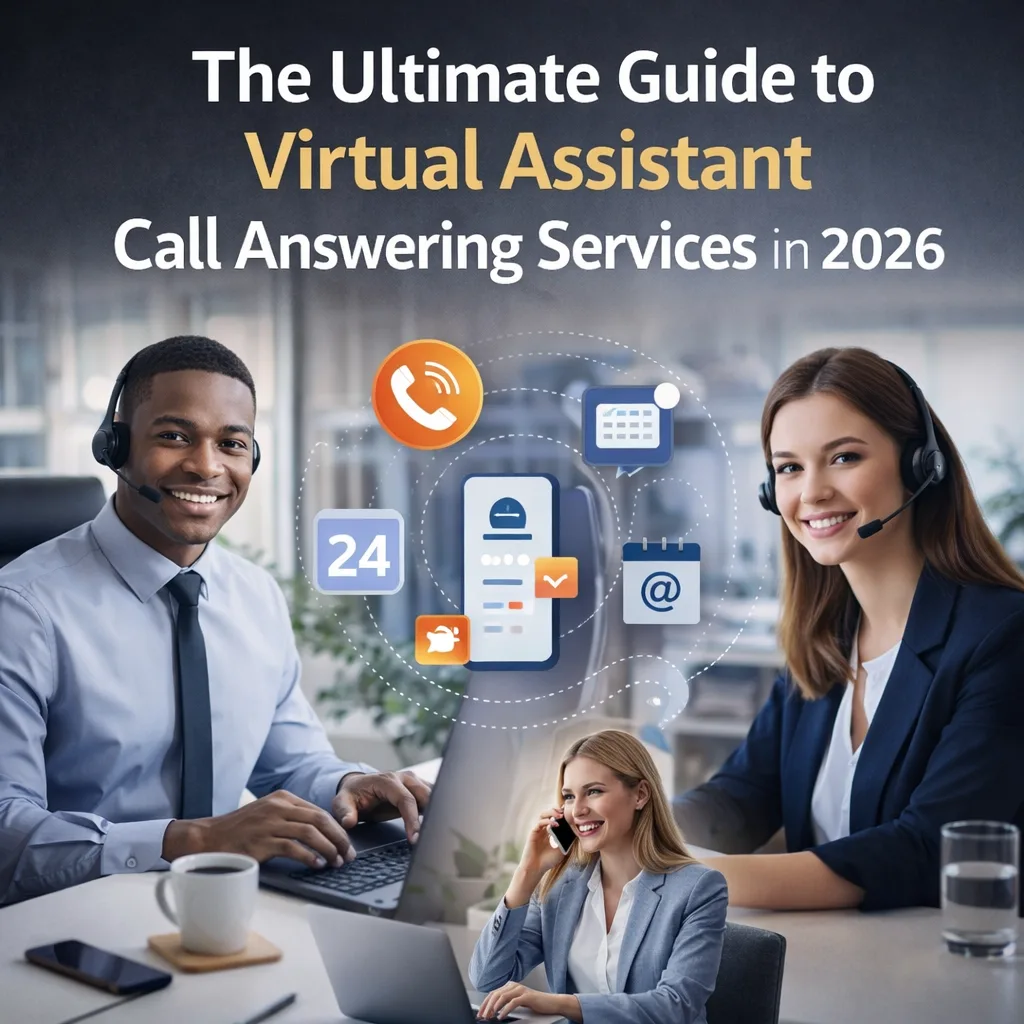
The Ultimate Guide to Virtual Assistant Call Answering Services in 2026
In today’s fast-paced business world, every call matters. Whether you're a startup, a small business, or an established company, missing customer calls can mean losing sales, opportunities, and trust. This is why a virtual assistant call answering service has become one of the most valuable business assets in 2026.
Businesses are rapidly shifting from traditional in-house receptionists to flexible, cost-effective virtual answering solutions that offer 24/7 availability, professional call handling, and top-tier customer support—without the overhead of full-time staff.
This guide explores why virtual call answering services are rising in popularity, how they work, and the advantages they bring to modern businesses.
What Is a Virtual Assistant Call Answering Service?
A virtual assistant call answering service is a remote solution where trained virtual receptionists handle:
- Incoming calls
- Messages
- Customer inquiries
- Appointment bookings
- Basic support tasks
These assistants work remotely but function just like an in-house receptionist—often with faster response times and round-the-clock availability.
Common Tasks Handled by Virtual Call Answering Assistants
- Consumer questions
- Lead qualification
- Call routing
- Appointment scheduling
- Follow-up calls
- Support escalation
- Sales inquiries
Why Companies Will Require Virtual Assistants to Answer Calls in 2026
Customer expectations are at an all-time high. Lengthy wait times, unanswered calls, or inconsistent support can result in lost customers and negative reviews.
A virtual answering service ensures every caller speaks to a real human, representing your brand professionally.
1. 24/7 Customer Availability
Consumers expect immediate communication. Virtual receptionists provide round-the-clock support, ensuring no call goes unanswered—even after hours or on holidays.
2. Affordable Substitute for Full-Time Employment
Hiring a full-time receptionist involves:
- Salary
- Benefits
- Training
- Office space
Virtual assistants eliminate these costs while delivering high-quality, affordable service.
3. Zero Missed Opportunities
Every missed call could mean:
- A lost lead
- A frustrated customer
- A negative review
Virtual call answering services capture every inquiry, improving customer satisfaction and conversions.
4. Professional Brand Image
Small businesses and startups appear more polished when calls are answered by trained, professional receptionists.
5. Scalable Call Management
Whether handling 20 calls a day or 200, virtual assistants scale instantly—no hiring or onboarding required.
Essential Elements of a Contemporary Virtual Call Answering Service
A high-quality service typically includes the following:
✔ Live Call Answering
Real humans answer calls professionally using your scripts, tone, and brand guidelines.
✔ Call Transfer & Routing
Calls are routed in real time to the correct team member or department.
✔ Appointment Booking
Assistants integrate with tools like:
- Google Calendar
- Calendly
- CRM scheduling apps
✔ Message Taking & Follow-Ups
They record messages, send notifications, and maintain communication flow.
✔ Multilingual Support
Perfect for businesses serving global customers.
✔ CRM Integration
All call details are automatically logged into systems like HubSpot, Zoho, Salesforce, or Pipedrive.
These features help streamline communication and improve overall efficiency.
Who Can Benefit From a Virtual Call Answering Service?
Virtual answering services benefit many industries, including:
- Real estate firms
- Medical clinics
- Law firms
- SaaS & IT companies
- E-commerce stores
- Coaches & consultants
- Home service providers (plumbers, electricians, contractors)
- Startups & entrepreneurs
Any business that receives customer calls—and wants callers to feel valued—can benefit.
How to Pick the Best Virtual Call Answering Service
When choosing a provider, consider:
- Response time
- Pricing model
- 24/7 availability
- Industry experience
- CRM compatibility
- Service quality
- Multilingual capabilities
A reliable provider should feel like an extension of your brand, not just an outsourced service.
Frequently asked questions (FAQ)
1. What is a virtual assistant call answering service?
It is a service where remote, professionally trained receptionists handle your calls, messages, and appointment scheduling at a fraction of the cost of in-house staff.
2. How does a virtual assistant answer calls for my business?
They use your script, follow your brand tone, and answer calls in your business name. They can route calls, take messages, and record caller information.
3. Is a virtual call answering service available 24/7?
Yes, most providers offer 24/7 support, including nights, weekends, and holidays.
4. What types of businesses benefit from these services?
Almost any business, including:
- Startups
- Healthcare providers
- Real estate agencies
- Legal firms
- E-commerce companies
- Home services
- Consultants and coaches
- SaaS and IT firms
5. Can virtual assistants schedule appointments?
Absolutely. They use tools such as Calendly, Google Calendar, Acuity Scheduling, or your CRM.
6. Are these services cost-effective?
Yes. You pay only for calls handled, avoiding costs like salaries, benefits, and training.
7. How do they ensure professionalism?
Virtual receptionists receive training in:
- Customer service
- Conflict resolution
- Brand representation
8. Can they handle multilingual calls?
Many providers offer multilingual receptionists to support global customers.
9. Can my CRM be integrated?
Yes, most services integrate with:
- HubSpot
- Zoho
- Salesforce
Pipedrive
10. Is client information secure?
Reputable providers follow strict security standards, such as encryption, confidentiality agreements, GDPR compliance, and HIPAA compliance.
11. Can virtual assistants handle high call volumes?
Yes—teams can scale quickly to manage anything from a few calls to hundreds per hour.
12. Can they assist with sales or lead qualification?
Many receptionists are trained to qualify leads and forward high-quality prospects to your team.
13. Do virtual receptionists replace human employees?
They support your team by handling repetitive call-related tasks so your staff can focus on higher-value work.
14. How do I choose the best provider?
Look for:
- 24/7 support
- Customized scripts
- Industry expertise
- Transparent pricing
- CRM integration
- Fast response time
- Strong reviews
Categories
Populer Posts
Virtual Assistant For Entrepreneurs: 4 Tips to Beat..
By Sam March 25, 2026
The Ultimate Guide to Virtual Assistant Call Answering..
By Sam March 25, 2026
Virtual Personal Assistant Services
By Sam March 25, 2026